Recycling Guide
Explore Papillion Sanitation’s disposal and recycling guide to learn how to sort materials responsibly across the Omaha metro.
Item Disposal Guide
Acceptable waste will vary by location, but we have a general guide below.

Acceptable Items

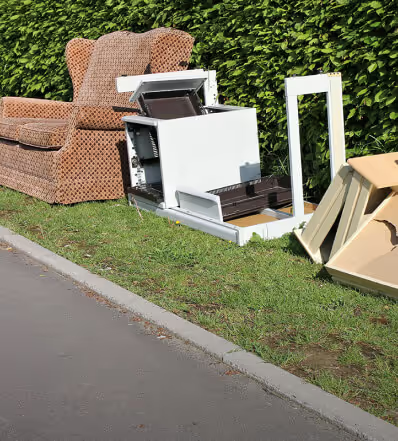
Unacceptable Items
Learn How Recycling Works
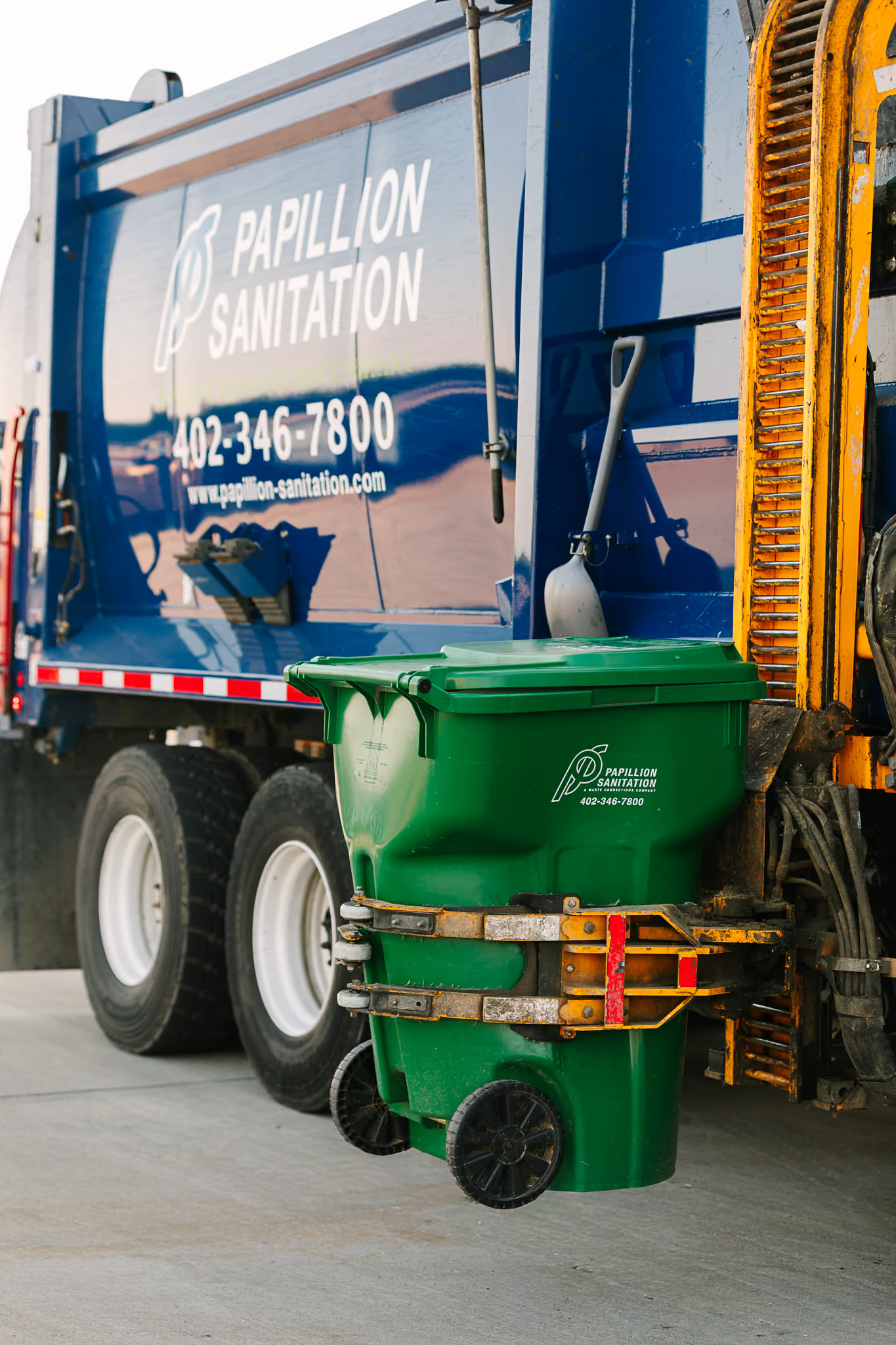
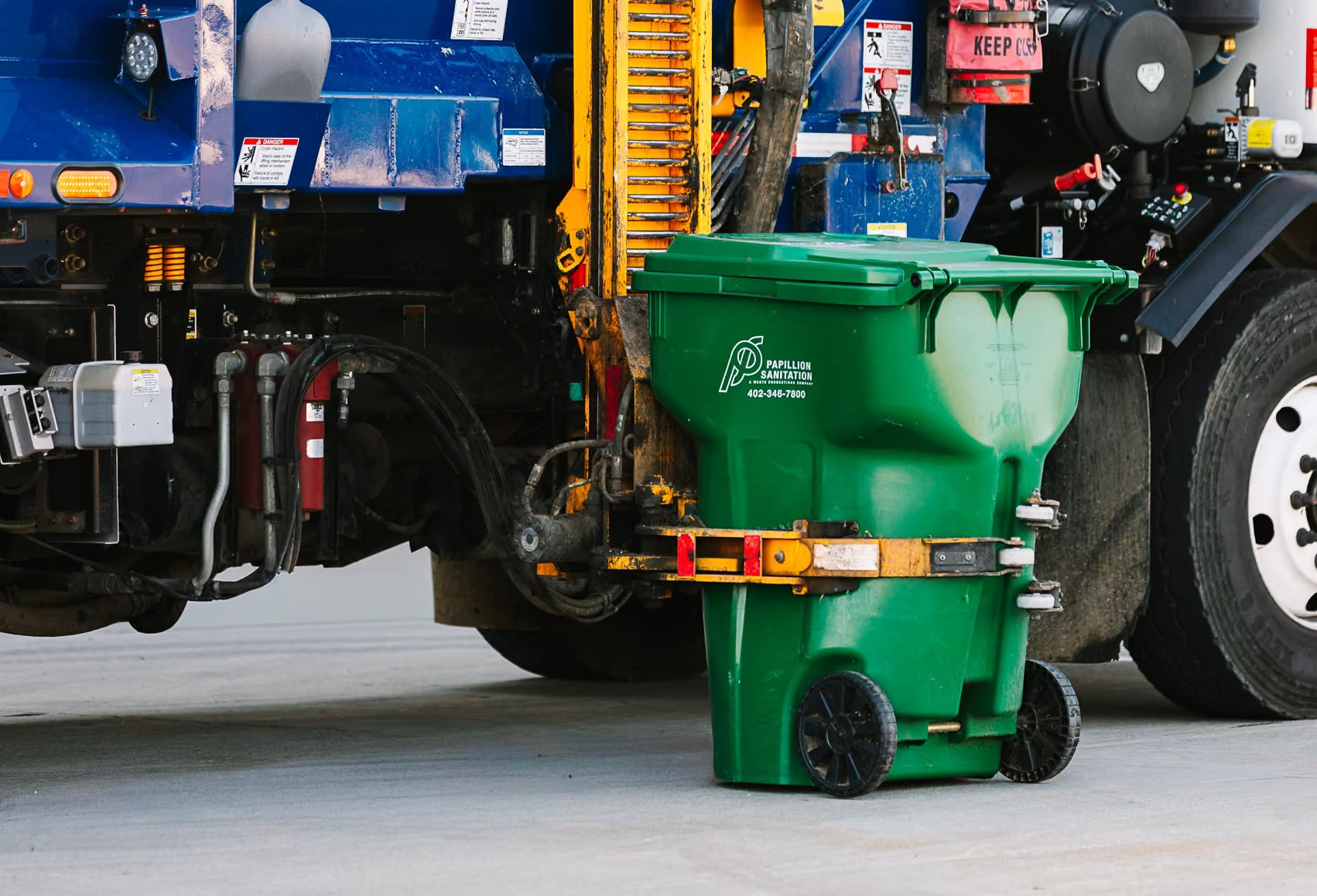
We collect full recycle dumpsters at curbsides, multi-family dwellings, or businesses. At recycling facilities (MRFs), materials are sorted, cleaned, compressed, and prepared for sale to end markets.
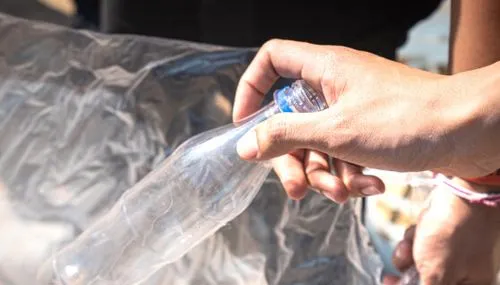

Clean every item
Clean items are crucial to avoid contamination during transportation.

Waste collection
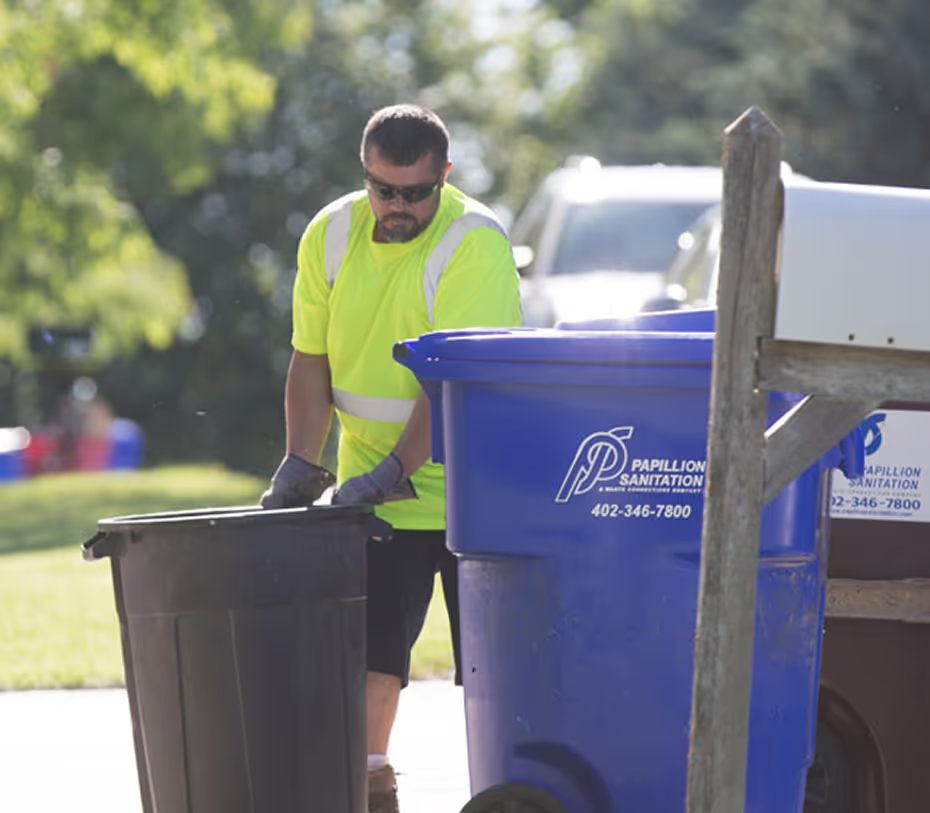
When recycle containers are full, they are then collected by us at a curbside, multi-family dwelling, or business.
.avif)

Recycling facility (MRF)
Materials are sorted and organized by material types, then inspected for final quality control clean-up before being baled (compressed) together and staged for sale to end markets.
Incorrect Battery Disposal Can Cause Fires
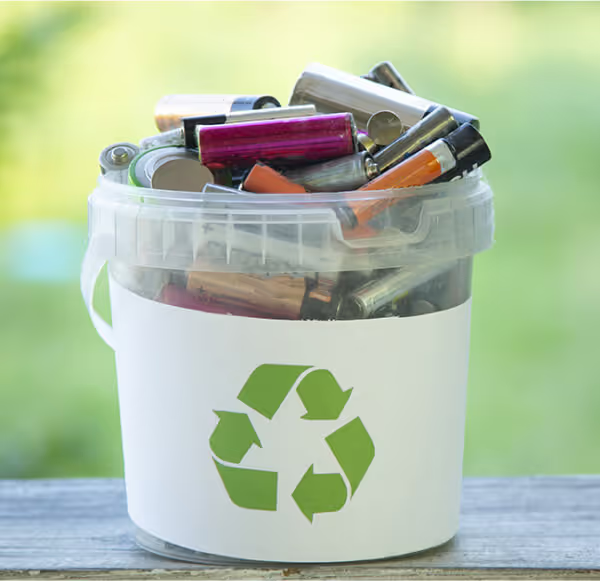
Common household items seem harmless, however, the batteries in them pose risks when disposed into regular garbage or recycling containers because of their highly flammable nature.
Remove the batteries
Check the electronic devices you need to dispose of. If possible, remove the batteries. If not, bring the whole device to the drop off location.Store batteries in a safe place
Store batteries in non-metallic containers (plastic, cardboard, or glass) that do not conduct electricity if there is a spark.Find your local drop off
Find a local electronic disposal store, or find a drop off location near you.
Explore Our Residential Services
We offer convenient pickup times and reliable service.